 TecnoOrange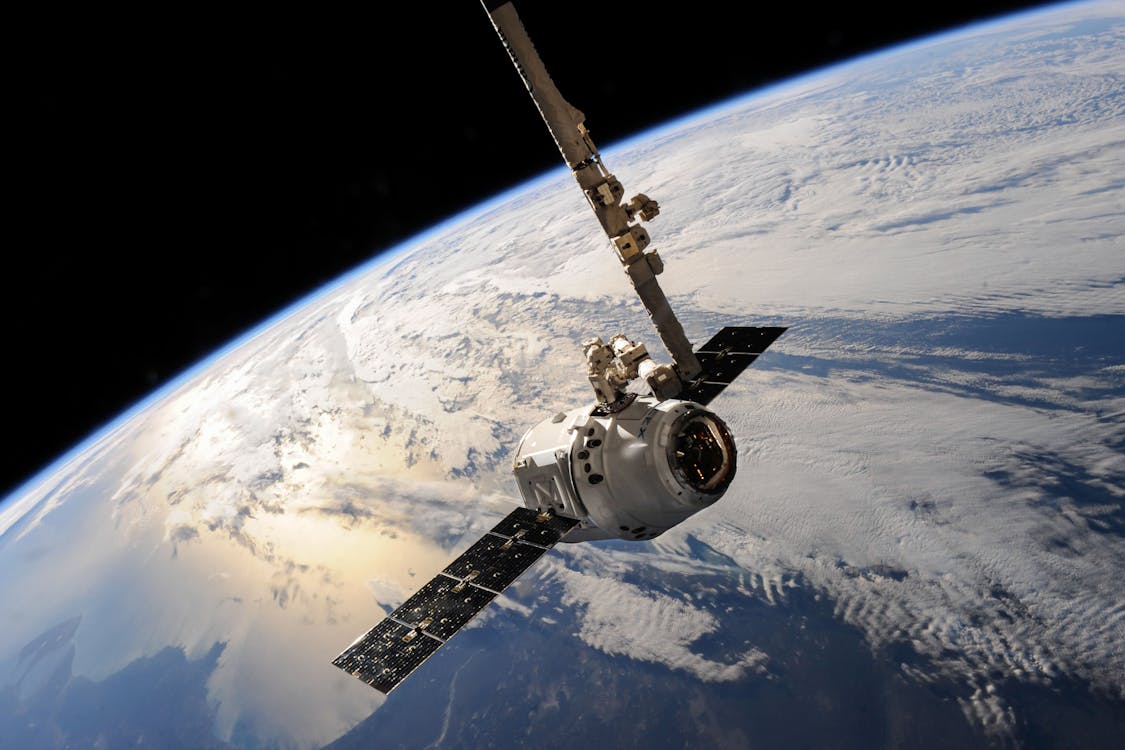
Imagine having 4G coverage in the middle of the desert, at sea, or on a mountain without a cell tower in sight. That’s what Starlink Direct-to-Cell promises: SpaceX technology that turns satellites into cell phone towers. It sounds like science fiction, but it already works.
Table of contents
Table of contents
What is Starlink Direct-to-Cell
Starlink Direct-to-Cell is a SpaceX service that allows conventional phones to connect directly to Starlink satellites without any additional hardware. Your phone connects to the satellite as if it were just another cell tower.
The revolutionary part is that you don’t need a special phone or extra device. Any 4G/LTE phone can connect. The satellite emulates a cell tower, so your phone doesn’t know if it’s connected to a ground antenna or a satellite 550 km up.
What you can do with Starlink on your phone
| Phase | Features | Speed | Availability |
|---|---|---|---|
| Phase 1 | SMS and SOS | ~0.1 Mbps | Now (US) |
| Phase 2 | Messaging and web | 2-10 Mbps | 2026 |
| Phase 3 | Calls and data | 10-20 Mbps | 2027 |
Where is Starlink Direct-to-Cell available
United States
The service is active with T-Mobile as a partner. T-Mobile customers can use satellite messaging at no extra cost with their plans.
Rest of the world
SpaceX is negotiating with carriers in Europe, Latin America, Japan, and Australia. Spain is expected by late 2026 or 2027.
Starlink vs native satellite connectivity on phones
| Feature | Starlink Direct-to-Cell | Native satellite (iPhone/Samsung) |
|---|---|---|
| Hardware needed | None (any 4G phone) | Compatible phone |
| Speed | 2-20 Mbps | Very low (<0.1 Mbps) |
| Features | SMS, web, calls | Emergency only + SMS |
| Coverage | Global (6000+ satellites) | Limited |
| Availability | Expanding | Now |
FAQ: Frequently asked questions
Will Starlink replace cell towers?
No. Starlink complements the ground network for areas without coverage. In cities, ground towers will always be faster and cheaper.
Do I need to change my phone?
No. Any 4G/LTE phone is compatible, as long as you’re in an area with Starlink Direct-to-Cell coverage.
Does it work indoors or on planes?
Not indoors. You need a direct view of the sky. On a plane, it would technically work with window access, but airlines may restrict it.
Conclusion
Starlink Direct-to-Cell is the technology that could eliminate dead zones forever. While still in its early stages and geographically limited, the potential is enormous. The era of “no coverage” as an excuse is coming to an end.